Staying hydrated is one of the simplest ways to ease menopause symptoms like fatigue, brain fog, hot flushes, constipation and UTIs. As we age, our body’s water volume drops and oestrogen declines, making dehydration more common. Aim for around 2 litres daily, add water-rich foods, and use reminders, apps or a great drink bottle to stay on track. Small steps, big relief.
Hydration in menopause? If you’ve ever felt like you’re drying out from the inside during peri- or post-menopause…you’re not imagining it.
Menopause and dehydration are a thing. In fact, hydration sits right at the top of our Youology&Co Wellness Pillars – because without enough fluid on board, everything else struggles.
And yes, we know: you’ve heard “drink more water” a thousand times. But here’s the twist – basic dehydration is one of the most overlooked menopause symptoms, even though it can impact everything from energy and cognition to digestion and temperature regulation.
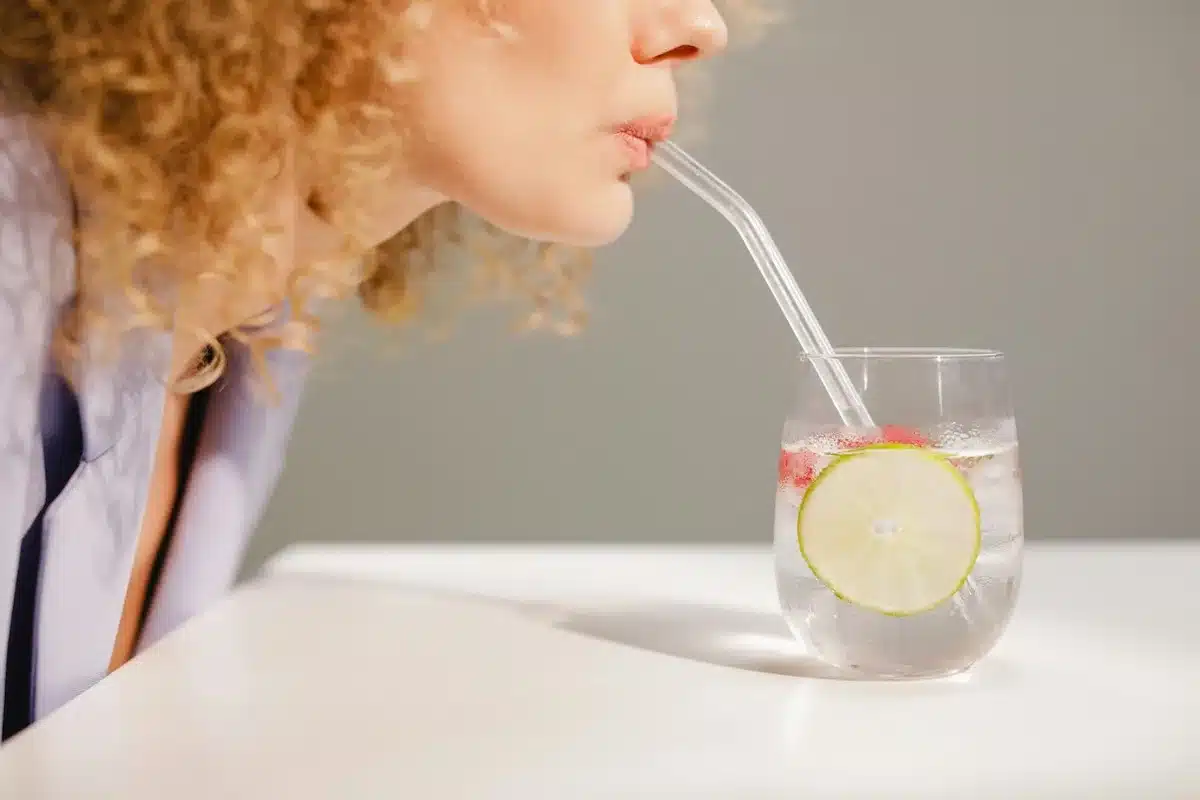
The Ageing Water Slide: Why Hydration In Menopause Matters

Image: pexels-mikhail-nilov
Here’s a fun-but-not-so-fun fact:
As we age, our natural water volume decreases (and yep, natural moisturising factors NMFs too). While younger bodies are roughly 60-70% water, post-menopause, that average drops closer to 55%. Combine that with your declining natural NMFs, and we become physiologically drier creatures.
Meanwhile, oestrogen – our plumping, juicing, moisturising hormone – takes a bow and quietly exits stage left. So joints, tissues, skin, mucosa, and even cognitive processes can feel a little parched.
On that note, if I can give you an add-on tip, in addition to hydration, it’s to add 20-30mls of extra virgin olive oil – the kind that give you a throat sting – to your day. The oleocanthal in it, helps with aches and joint pain.
What does hydration in menopause support?
Plenty. Including:
- Brain function and memory
- Energy levels
- Body temperature regulation (hello, hot flushes)
- Digestion & bloating
- Urinary health
- Joint lubrication
- Overall cellular function
- And yep, pooping!
So, How Much Water Do You Actually Need?

Image: pexels-charlotte-may
The general guide that many experts use:
35 ml of water per kilogram of body weight
So at 70kg, you’re looking at roughly 2.4 litres per day.
But if maths leaves you feeling flat, you can simply aim for around:
2 litres daily is a great baseline for most people. It’s what I tend to stick to…
You’ll likely need more if you:
- Exercise regularly
- Sweat easily
- Experience hot flushes or night sweats
- Live in warmer climates
- Are over 50 (our thirst cues get lazier with age)
And water-rich foods count too – fruit, vegetables, soups, smoothies, herbal teas, infused waters…all excellent hydrators.
Are You Dehydrated? Here’s How to Tell
Most of us are mildly dehydrated long before we feel thirsty. Look out for these tell-tale signs:
- Dark yellow urine (aim for pale)
- Fatigue or low energy
- Brain fog
- Headaches
- Constipation
- Dizziness
- More frequent UTIs or incontinence
- Increased hot flush intensity
If any of these sound familiar, your body may be politely waving a little “hydrate me!” flag.
Click here for a beautifully hydrating smoothie (choose the water option).
4 Easy Ways to Drink More Water (Without It Becoming A Pain)

Image: pexels-adrienn
-
Get Yourself a Gorgeous Drink Bottle
I’m not saying a pretty bottle will change your life…
But it will dramatically boost your chances of drinking from it. Look for ones with measurements to track intake.
-
Track Your Sips
Apps like Plant Nanny (super cute — keep your plant alive by drinking water) make it surprisingly fun. You can also use a simple printable water tracker or pop a tally sheet on your fridge or desk. Email me if you want one – I’ll steal it from our 21-Day Detox for you.
-
Mix Up Your Hydration Routine
Hydration doesn’t have to be boring.
Try:
- Water-dense foods (cucumber, watermelon, berries, lettuce, tomatoes)
- Herbal teas
- Infused waters (think lemon + mint, cucumber + basil, strawberry + lime)
- Broths or light soups
Your gut and your hormones will thank you.
-
Set Smart Reminders
Your phone or laptop can nudge you every 30–60 minutes. Change the alert tone occasionally so your brain doesn’t dismiss it automatically.
The Bottom Line: Hydration In Menopause Is A Thing
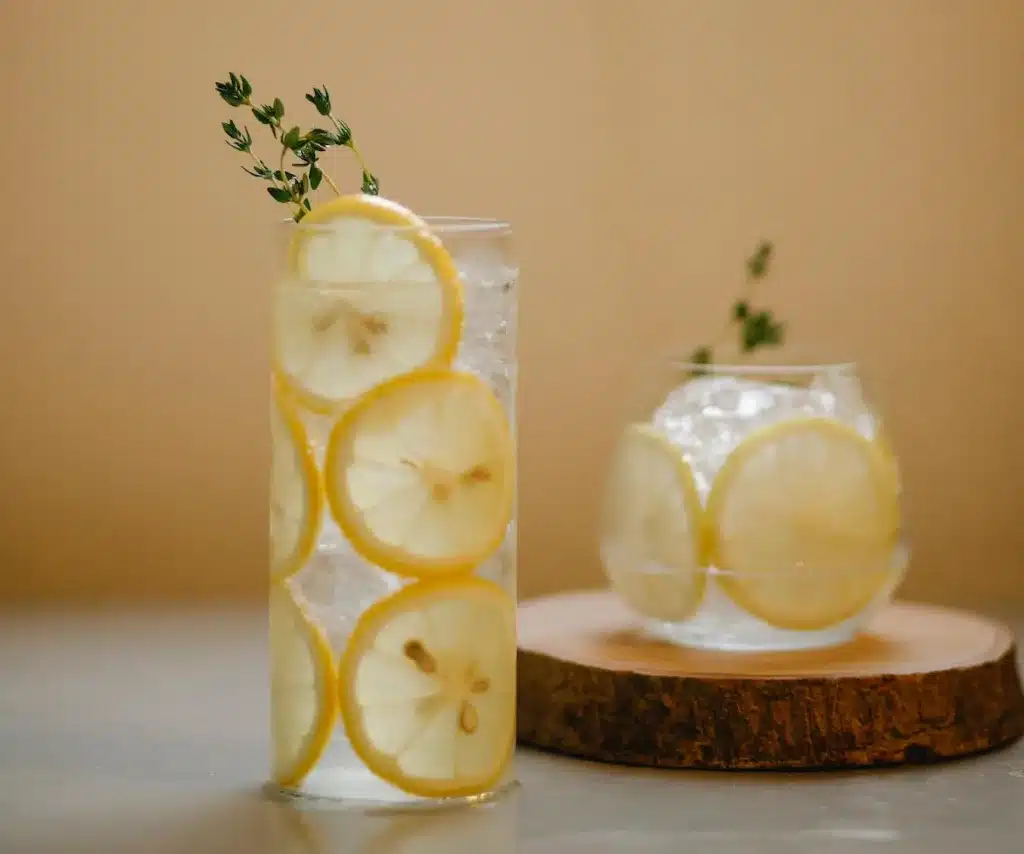
Image: pexels-charlotte-may
The beauty of hydration is that it’s simple, free, and incredibly effective.
And yet…it’s often the first thing we forget to prioritise.
Drinking enough water can help soften so many common menopausal frustrations:
- Brain fog
- Fatigue
- Constipation
- Bloating
- UTIs
- Overactive bladder symptoms
- Temperature swings
- Pooping – we want ease, right?
So while it’s not glamorous, it is foundational – a tiny habit that pays off in a big way.
Ready to Become an H2O Pro?
I’m happy to run a Youology&Co Hydration Challenge inside our Facebook group, so if you’d love accountability (and a little fun along the way), let me know.
And if you’re up for it, share in the comments:
How much water you drink each day
And what helps you remember to hydrate?
I’m cheering you on – one sip at a time.
Disclaimer: This article provides general information only and is not a diagnostic tool. Please consult your healthcare provider for personalised medical advice, especially if you have health conditions or take medications that affect fluid balance.